Chronische nierziekte bij katten: de achteruitgang vertragen
Rapavie Veterinary Team · 9 augustus 2026
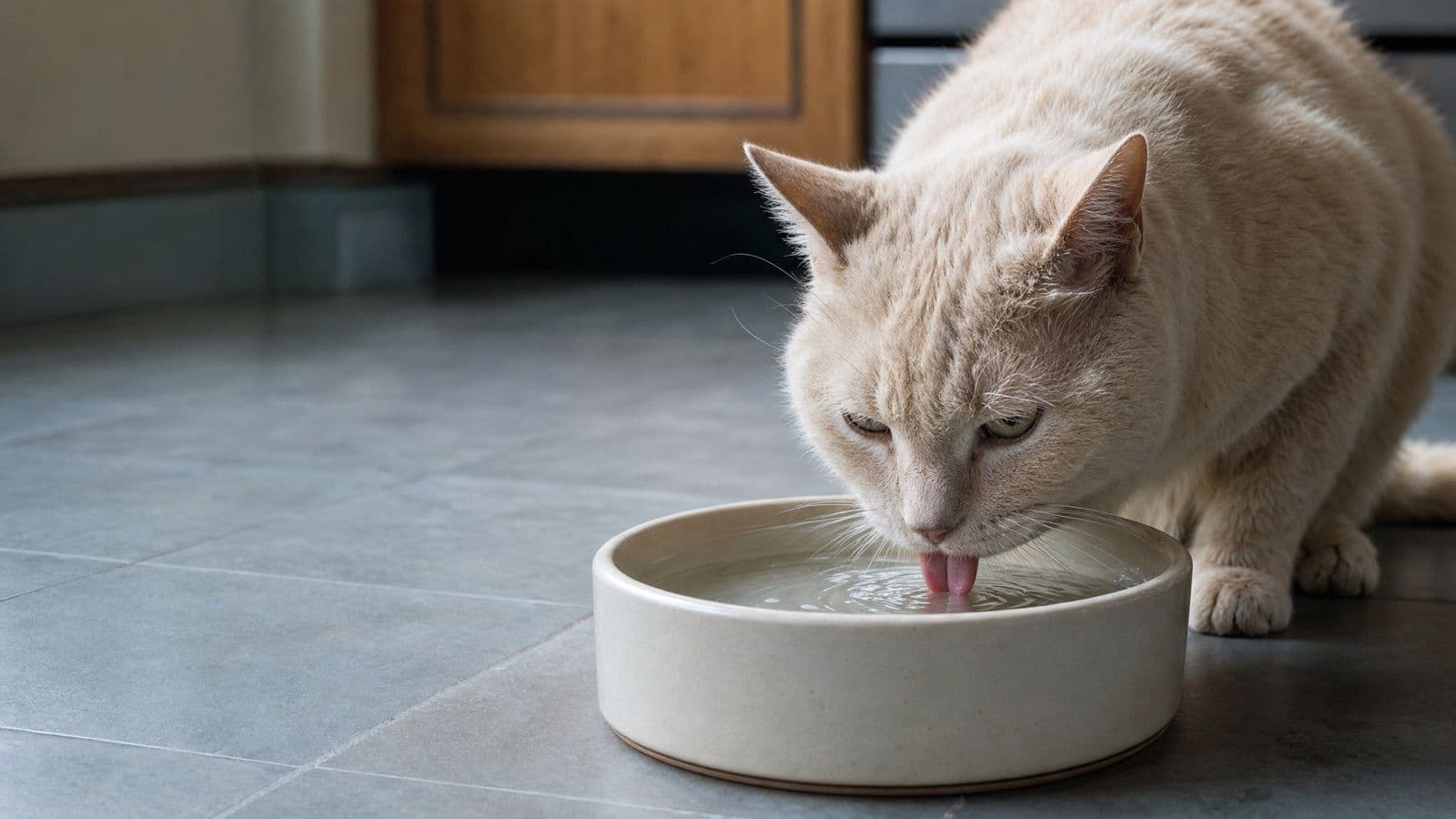
Kort antwoord: Chronische nierziekte treft een groot deel van de katten boven de tien en kan niet worden teruggedraaid — verloren nefronen komen niet terug. Wat wél kan veranderen, is het tempo van de achteruitgang. Vroege opsporing via SDMA- en creatininebepaling, een therapeutisch nierdieet, bloeddruk- en fosfaatcontrole en goede hydratatie voegen samen jaren comfortabel leven toe. De rol van rapamycine is hier een onderzoeksvraag, geen vastgestelde behandeling.
Waarom CNZ zo laat wordt opgespoord
De kattennier heeft aanzienlijke reserve. Een kat kan een meerderheid van de functionerende nefronen verliezen voordat er iets zichtbaars verandert, en de klinische tekenen die eigenaren opmerken — meer drinken, meer plassen, gewichtsverlies — verschijnen pas als die reserve op is.
Tegen die tijd is de ziekte goed gevestigd. Dit is het centrale probleem bij CNZ: het venster waarin ingrijpen het meest oplevert, is het venster waarin de kat er nog volstrekt gezond uitziet.
Wat er werkelijk in de nier gebeurt
Nefronen gaan geleidelijk verloren en worden vervangen door littekenweefsel — fibrose. De overlevende nefronen compenseren door harder te werken, wat hen op hun beurt belast en hun eigen verlies versnelt. Het is een zichzelf versterkende cyclus, en daarom neigt CNZ tot progressie in plaats van stabilisatie.
Fibrose is de mechanistische reden dat mTOR überhaupt in de onderzoeksliteratuur opduikt: mTOR-signalering speelt mee in de fibrotische respons. Dat is een plausibel doelwit en het wordt onderzocht — maar een plausibel mechanisme is geen klinisch bewijs, en van geen enkel rapamycineprotocol is aangetoond dat het het beloop van feliene CNZ verandert.
Opsporing: waar je om vraagt
SDMA stijgt eerder dan creatinine en zit nu standaard in bloedpanels voor oudere katten. Creatinine blijft de ruggengraat van de stadiëring. Urinesoortelijk gewicht telt evenveel als het bloedonderzoek — een kat die urine niet meer kan concentreren, toont vroege ziekte zelfs bij normaal creatinine. Bloeddruk hoort gemeten te worden, want hypertensie is zowel gevolg als versterker van nierschade. Urine-eiwit voorspelt progressie.
De praktische aanbeveling: jaarlijks bloedonderzoek vanaf ongeveer zeven jaar, twee keer per jaar vanaf elf, en altijd gecombineerd met urineonderzoek.
Wat de progressie werkelijk vertraagt
Therapeutisch nierdieet. Dit is de best onderbouwde interventie bij feliene CNZ. Beperkt fosfaat, gematigd en hoogwaardig eiwit, toegevoegde omega 3. Studies tonen langere overleving op nierdiëten. De moeilijkheid is smakelijkheid — een dieet dat de kat weigert helpt niemand, dus overgangen moeten geleidelijk zijn.
Fosfaatcontrole. Stijgend fosfaat drijft verdere schade. Het dieet doet het meeste werk; binders komen erbij als dat niet volstaat.
Bloeddrukbeheer. Hypertensie beschadigt nieren, ogen en hersenen. Ze is behandelbaar, en behandelen beschermt alle drie.
Hydratatie. Katten hebben een zwakke dorstprikkel. Natvoer verhoogt de totale wateropname merkbaar; fonteintjes helpen sommige katten; subcutane vloeistoffen worden bij gevorderde ziekte gebruikt.
Proteïnurie behandelen. Eiwit dat in de urine lekt, voorspelt snellere achteruitgang en kan met specifieke medicatie worden verminderd.
Merk op dat de lijst weinig glamoureus is. Ze is ook werkelijk effectief — katten die vroeg worden vastgesteld en goed worden begeleid, leven vaak jaren.
Waar het onderzoek heen gaat
Fibrose vertragen is de voor de hand liggende volgende grens, want fibrose is wat een functionerende nier in een littekennier verandert. mTOR-remming hoort bij de mechanismen die onderzocht worden, en klinisch werk bij katten loopt aan veterinaire faculteiten.
Voorlopig is de eerlijke positie: interessant mechanisme, actief onderzoek, geen vastgesteld protocol. Elk langlevendheidsgericht plan voor een kat met CNZ bouwt op de fundamenten hierboven, met de nierstatus specifiek beoordeeld door de dierenarts voordat aanvullende medicatie wordt overwogen.
De eerlijke samenvatting
CNZ is niet te genezen, maar het tempo is beïnvloedbaar. Het verschil tussen "vroeg vastgesteld en goed begeleid" en "vastgesteld bij een crisis" wordt gemeten in jaren goed leven. Screening is de hefboom die het meest uitmaakt, en ze werkt alleen zolang de kat er nog goed uitziet.
Veelgestelde vragen
What are the first signs of kidney disease in cats?
Increased drinking and urination usually come first, followed by weight loss, a duller coat, reduced appetite and lethargy. These appear late — often when around two-thirds of kidney function is already lost — which is why bloodwork on a cat that still looks well matters so much.
Can kidney damage in cats be reversed?
No. Nephrons that are lost do not regenerate, so chronic kidney disease is managed rather than cured. The realistic goal is slowing further loss and keeping the cat comfortable, which good management does achieve — many cats live years after diagnosis.
Does rapamycin treat kidney disease in cats?
Not established. mTOR signalling is involved in the fibrosis that drives CKD progression, and studies in cats are underway at veterinary institutions, but no rapamycin protocol has been shown to alter the course of feline CKD. Anyone claiming otherwise is ahead of the evidence.
What is SDMA and why does it matter?
SDMA is a blood marker that rises earlier in kidney disease than creatinine — often when roughly 40% of function is lost rather than 75%. It gives a wider window to intervene with diet and blood pressure control, and it is now routine in senior feline panels.
Erover lezen is de eerste stap. Weten hoe je kat ervoor staat is de tweede.
Vragen over een protocol? Stuur ons een bericht.
Rapamycine is een receptplichtig geneesmiddel. Er wordt niets verstrekt zonder beoordeling door een dierenarts.