ペットのラパマイシンの用量と副作用:実践ガイド
Rapavie Veterinary Team · 2026年8月9日
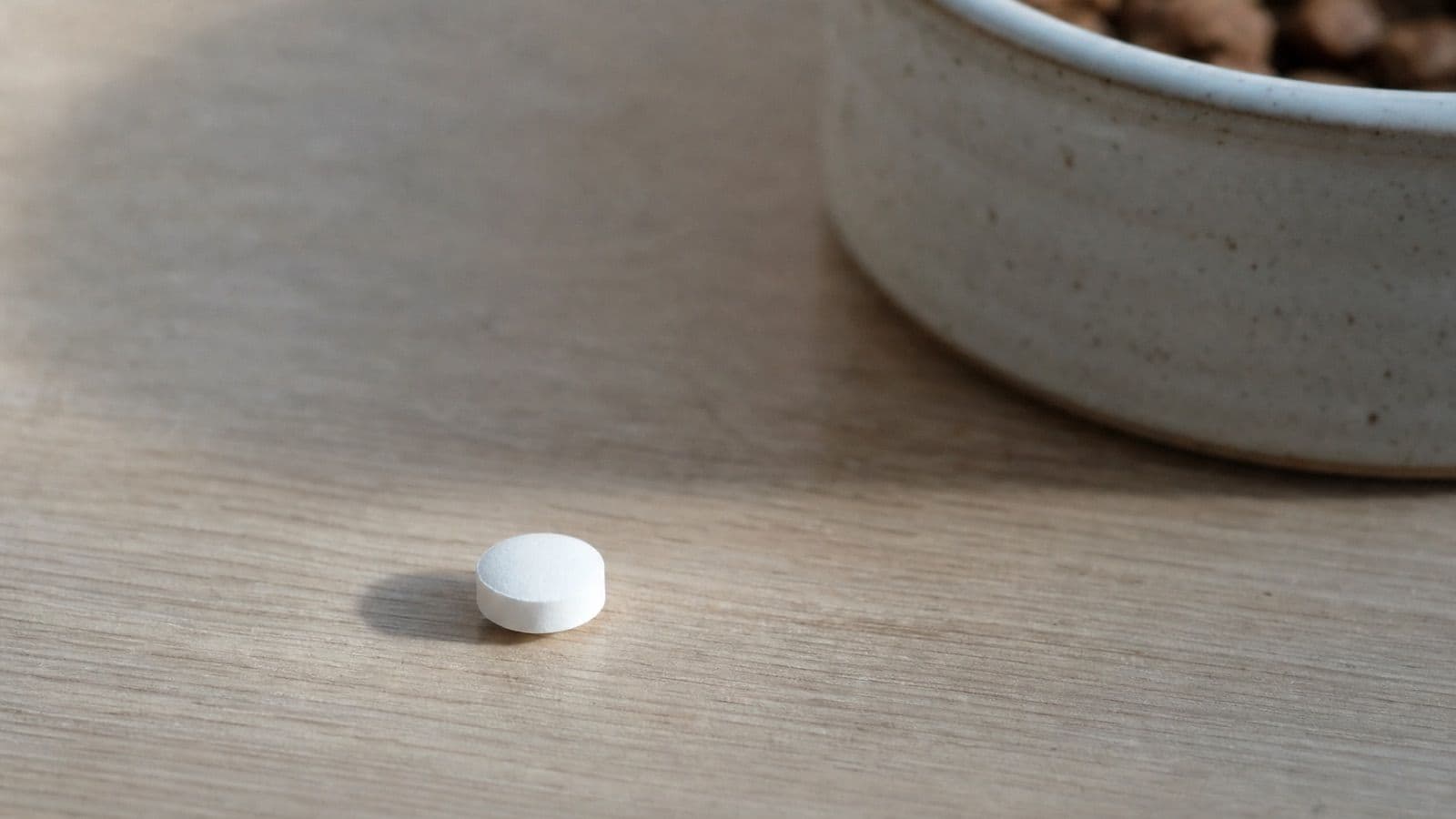
短い答え: ラパマイシンの長寿目的の投与は低用量かつ間欠的です — 移植の用量のごく一部で、猫でも犬でも週1回投与し(現行のTRIADプロトコルは犬で週1回0.15 mg/kg、初期のパイロットは週3回)、体重に合わせて調整します。この用量で多く報告される副作用は、軽度で一過性の胃腸の不調です。糖尿病、活動性の感染、明らかな肝疾患、予定された手術が主な除外理由です。すべてのプロトコルに獣医師の確認が必要です。安全にしている部分こそ、用量・相互作用・モニタリングだからです。
なぜ用量がすべてなのか
ラパマイシンは与え方によってかなり異なることをします。
高用量で毎日与えると免疫を抑制します — 臓器拒絶の予防が目的の移植医療で望まれる効果です。
低用量で間欠的に与えると、持続的な免疫抑制なしにmTORを部分的に静めます。この低くパルス状の用量での研究は、高齢動物で免疫応答が鈍るのではなく改善したと報告しています — 例えばワクチン応答の研究で。
同じ分子、正反対の実際的プロファイル。人がラパマイシンは「免疫を抑える」と心配するとき、ほぼ必ず移植のレジメンを思い浮かべています。
用量はどう決めるか
体重が出発点です — 4 kgの猫と60 kgのマスティフが同じmgのはずがありません。
どちらも週1回投与です。 猫は体重に応じて段階分けした含量で、徐放性・耐酸性の製剤を週1回。犬も現行のTRIADプロトコルでは週1回(0.15 mg/kg)で、初期のパイロット研究の週3回から変わりました。
製剤が重要です。 徐放コーティングが胃酸から分子を守ります。錠剤を拒む猫のための風味付き経口懸濁液もあり、聞こえる以上に重要です — 最良のプロトコルは実際に投与されるプロトコルです。
開始前のベースライン血液検査を行い、その後も定期的な再検査を続けます。
実際に報告される副作用
長寿用量では、ほとんどの動物に何も現れません。報告されているのは次のとおりです。
- 最初の数週間の軽度の胃腸の不調 — 大差で最も多く、たいてい一過性で、食事とともに与えると改善することが多いです。
- 口内潰瘍 — mTOR阻害剤で知られる作用で、低用量・間欠投与ではまれです。
- 創傷治癒の遅延 — プロトコルが手術の前後で投与を休む実際的な理由です。
- 代謝の変化 — 血中脂質や血糖調節の変化は既知のクラス効果で、定期的な血液検査の理由の一つです。
長寿用量での重篤な有害事象は、報告されている獣医学的経験ではまれですが、「まれ」は「あり得ない」ではなく、だからこそモニタリングは任意ではありません。
誰が対象でないか
- 糖尿病または血糖調節の障害 — mTOR阻害はブドウ糖の処理に影響しうます。
- 活動性または再発性の感染 — まず感染を治療します。
- 明らかな肝疾患または腎疾患 — 代謝と排泄に影響します。
- 予定された手術 — 前後で休みます。
- 妊娠または授乳。
- 一部の併用薬 — 下記参照。
名指しする価値のある薬物相互作用
ラパマイシンはCYP3A4酵素系で代謝されます。この系を阻害する薬 — ケトコナゾールやイトラコナゾールなど一部の抗真菌薬、一部の抗菌薬 — はラパマイシンの濃度を上げうます。誘導する薬、一部の抗てんかん薬を含め、は濃度を下げうます。
具体的で確認可能な一覧であり、開始前の薬剤確認はまさにそのためにあります。この目的ではサプリメントも薬に数えます。
モニタリングはどのようなものか
開始前の血液検査でベースラインを取ります。最初の数か月で再検査。その後は動物の年齢と健康状態に合わせた定期的なモニタリング。心臓プロトコルの猫では心エコーが実際に重要なものを追跡します。体重は通して追跡します。原因不明の体重変化は多くの疾患で早期のサインだからです。
飼い主には、食欲の変化、続く嘔吐や下痢、口内の潰瘍、治らない元気のなさを知らせていただくようお願いします。
誠実なまとめ
長寿用量でのラパマイシンの安全性プロファイルは安心できるものですが些細ではなく、プロトコルが適切に運用されるかに完全に依存します。体重に合った用量、正しいスケジュール、確認された禁忌、確認された相互作用、モニタリングされた血液数値。これが医学的プロトコルと分子を買うことの違いであり — この薬で監督なしの入手が誤ったモデルである理由です。
よくあるご質問
How much rapamycin does a dog or cat take?
Far less than in transplant medicine, and intermittently rather than daily. Dogs commonly take a weight-scaled dose three times a week; cats are typically dosed once weekly with a delayed-release formulation at strengths calibrated to body weight. The exact dose is a veterinary decision based on weight, age, bloodwork and concurrent medications.
What are the side effects of rapamycin in pets?
At longevity doses the most commonly reported effect is mild, transient gastrointestinal upset in the first weeks. Mouth ulcers, delayed wound healing and changes in blood lipids or glucose are recognised effects of mTOR inhibition and are among the reasons periodic bloodwork is part of the protocol.
Which pets should not take rapamycin?
Animals with diabetes or impaired glucose regulation, active or recurrent infections, significant liver or kidney disease, and those scheduled for surgery — mTOR inhibition can slow wound healing. Pregnant or nursing animals are excluded. A full medication review comes before the first dose.
Does rapamycin interact with other medications?
Yes. It is metabolised by the CYP3A4 enzyme system, so drugs that inhibit or induce that pathway — including some antifungals, antibiotics and antiseizure medications — can raise or lower rapamycin levels significantly. Every medication and supplement your pet takes should be disclosed during the review.
Should the dose pause before surgery?
Generally yes. Because mTOR inhibition can slow wound healing, protocols typically pause dosing before and after planned surgery. Timing should be agreed with the veterinarian performing the procedure and the veterinarian managing the protocol.
Why a vet sets the final dose
Body weight gives a starting point, not the answer. Baseline bloodwork, other medicines and your pet’s history all move the dose. Rapamycin can raise triglycerides and, less often, cause loose stools, low appetite or mouth soreness, so a prescribing veterinarian reviews the case first and plans the monitoring. That review is included with every Rapavie order — and if your pet is not a candidate, the order is declined and refunded.
ラパマイシンは処方薬です。獣医師の確認なしに調剤されることはありません。