Evcil Hayvanlarda Rapamisin Dozu ve Yan Etkileri: Pratik Bir Rehber
Rapavie Veterinary Team · 9 Ağustos 2026
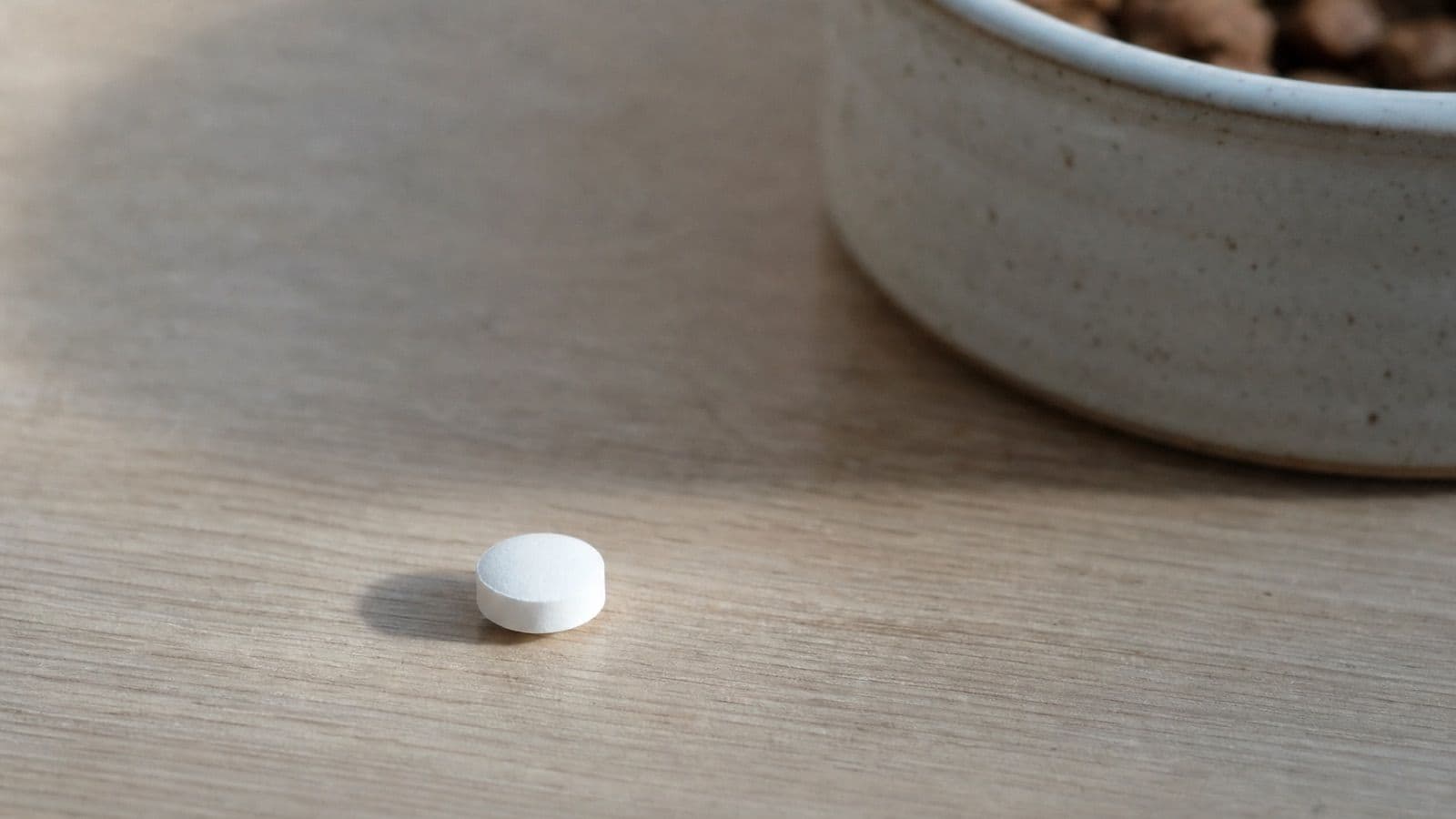
Kısa yanıt: Rapamisinin uzun yaşam dozlaması düşük ve aralıklıdır — nakil dozunun küçük bir kesri, hem kedilerde hem köpeklerde haftada bir verilir (güncel TRIAD protokolü köpeklerde haftada bir 0,15 mg/kg kullanır; daha eski pilotlar haftada üç kez kullanmıştı) ve vücut ağırlığına göre ölçeklenir. Bu dozlarda sık bildirilen yan etki hafif, geçici mide rahatsızlığıdır. Şeker hastalığı, aktif enfeksiyon, ciddi karaciğer hastalığı ve planlanmış ameliyat başlıca dışlama nedenleridir. Her protokol veteriner değerlendirmesi gerektirir, çünkü onu güvenli kılan kısımlar doz, etkileşimler ve takiptir.
Neden her şey dozda
Rapamisin, nasıl verildiğine bağlı olarak birbirinden hayli farklı iki şey yapar.
Günlük ve yüksek dozda verildiğinde bağışıklık sistemini baskılar — nakil hekimliğinde istenen etki budur, çünkü amaç organ reddini önlemektir.
Aralıklı ve düşük dozda verildiğinde ise mTOR'u sürekli bir bağışıklık baskılaması yaratmadan kısmen sakinleştirir. Bu daha düşük, darbeli dozlarda yapılan araştırmalar yaşlı hayvanlarda körelmiş değil, iyileşmiş bağışıklık yanıtları bildirdi — örneğin aşı yanıtı çalışmalarında.
Aynı molekül, zıt pratik profil. İnsanlar rapamisinin "bağışıklığı baskıladığından" endişelendiğinde, neredeyse her zaman nakil rejimini düşünüyorlardır.
Doz nasıl ayarlanır
Vücut ağırlığı başlangıç noktasıdır — 4 kg bir kedi ile 60 kg bir mastiff aynı miligram dozunda değildir.
İkisi de haftada bir dozlanır. Kediler, vücut ağırlığına göre kademelenmiş güçlerde, geciktirilmiş salımlı ve mideye dayanıklı bir formülasyonu haftada bir alır. Köpekler de güncel TRIAD protokolünde haftada bir dozlanır (0,15 mg/kg); bu, daha eski pilot çalışmalarda kullanılan haftada üç kez şemasından bir değişikliktir.
Formülasyon önemlidir. Geciktirilmiş salımlı kaplama molekülü mide asidinden korur. Tablet kabul etmeyen kediler için aromalı oral süspansiyonlar vardır; bu kulağa geldiğinden daha önemlidir — en iyi protokol, gerçekten uygulanabilendir.
Önce başlangıç kan tahlilleri gelir, sonrasında düzenli kontroller sürer.
Gerçekten bildirilen yan etkiler
Uzun yaşam dozlarında hayvanların çoğunda hiçbiri görülmez. Bildirilenler:
- İlk haftalarda hafif sindirim rahatsızlığı — açık ara en yaygın olanı, genellikle geçici, doz yemekle verildiğinde çoğu zaman düzelir.
- Ağız ülserleri — mTOR inhibitörleriyle bilinen bir etki, düşük aralıklı dozlamada seyrek.
- Gecikmiş yara iyileşmesi — protokollerin ameliyat çevresinde ara vermesinin pratik nedeni.
- Metabolik değişiklikler — kan yağlarında ya da glukoz düzenlemesinde kaymalar bilinen bir sınıf etkisidir ve düzenli kan tahlilinin nedenlerinden biridir.
Uzun yaşam dozlamasında ciddi yan etkiler bildirilen veteriner deneyiminde seyrektir, ama "seyrek" ile "imkânsız" aynı şey değildir; takibin isteğe bağlı olmamasının sebebi budur.
Kimler uygun aday değil
- Şeker hastalığı ya da bozulmuş glukoz düzenlemesi — mTOR inhibisyonu glukoz işlenmesini etkileyebilir.
- Aktif ya da yineleyen enfeksiyon — önce enfeksiyon tedavi edilir.
- Ciddi karaciğer ya da böbrek hastalığı — metabolizmayı ve atılımı etkiler.
- Planlanmış ameliyat — öncesinde ve sonrasında ara verilir.
- Gebelik ya da emzirme.
- Bazı eşzamanlı ilaçlar — aşağıya bakın.
Adı anılmaya değer ilaç etkileşimleri
Rapamisin CYP3A4 enzim sistemiyle metabolize olur. Bu sistemi baskılayan ilaçlar — ketokonazol ve itrakonazol gibi bazı antifungaller ve bazı antibiyotikler dahil — rapamisin düzeyini yükseltebilir. Sistemi hızlandıranlar, bazı nöbet ilaçları dahil, düzeyi düşürebilir.
Bu belirli ve kontrol edilebilir bir listedir; başlamadan önceki ilaç değerlendirmesi tam olarak bunun içindir. Takviyeler de bu amaçla ilaç sayılır.
Takip neye benzer
Başlamadan önce kan tahlili, başlangıç değerlerini belirlemek için. İlk aylarda bir kontrol. Sonra hayvanın yaşına ve sağlık durumuna göre ayarlanmış düzenli takip. Kalp protokolündeki kedilerde ekokardiyografi, gerçekten önemli olanı izler. Kilo süreç boyunca takip edilir, çünkü açıklanamayan kilo değişimi pek çok durumda erken bir sinyaldir.
Sahiplerden iştah değişikliklerini, sürekli kusma ya da ishali, ağız yaralarını ve geçmeyen halsizliği bildirmeleri istenir.
Dürüst özet
Rapamisinin uzun yaşam dozlarındaki güvenlik profili güven verici ama önemsiz değil ve tamamen protokolün düzgün yürütülmesine bağlı: kiloya doğru doz, doğru takvim, taranmış kontrendikasyonlar, kontrol edilmiş etkileşimler, izlenen kan değerleri. Tıbbi bir protokolle bir molekül satın almak arasındaki fark budur — ve bu ilaç için denetimsiz erişimin neden yanlış model olduğunu da bu açıklar.
Sık sorulan sorular
Bir köpek ya da kedi ne kadar rapamisin alır?
Nakil hekimliğindekinden çok daha az ve günlük değil aralıklı. Köpekler yaygın olarak haftada üç kez kiloya göre ölçeklenmiş bir doz alır; kediler tipik olarak haftada bir kez, vücut ağırlığına göre ayarlanmış güçlerde geciktirilmiş salımlı bir formülasyonla dozlanır. Kesin doz; kilo, yaş, kan değerleri ve kullanılan diğer ilaçlara dayanan bir veteriner kararıdır.
Evcil hayvanlarda rapamisinin yan etkileri neler?
Uzun yaşam dozlarında en sık bildirilen etki, ilk haftalarda hafif ve geçici sindirim rahatsızlığıdır. Ağız ülserleri, gecikmiş yara iyileşmesi ve kan yağları ya da glukozdaki değişiklikler mTOR inhibisyonunun bilinen etkileridir; protokolde düzenli kan tahlili bulunmasının nedenlerinden biri de budur.
Hangi evcil hayvanlar rapamisin kullanmamalı?
Şeker hastalığı ya da bozulmuş glukoz düzenlemesi olanlar, aktif veya yineleyen enfeksiyonu bulunanlar, ciddi karaciğer veya böbrek hastalığı olanlar ve ameliyat planlananlar — mTOR inhibisyonu yara iyileşmesini yavaşlatabilir. Gebe ve emziren hayvanlar kapsam dışıdır. İlk dozdan önce tüm ilaçlar gözden geçirilir.
Rapamisin diğer ilaçlarla etkileşir mi?
Evet. CYP3A4 enzim sistemiyle metabolize olur; bu yolağı baskılayan ya da hızlandıran ilaçlar — bazı antifungaller, antibiyotikler ve nöbet ilaçları dahil — rapamisin düzeyini belirgin biçimde yükseltebilir ya da düşürebilir. Hayvanınızın kullandığı her ilaç ve takviye değerlendirme sırasında bildirilmelidir.
Ameliyat öncesi doza ara verilmeli mi?
Genellikle evet. mTOR inhibisyonu yara iyileşmesini yavaşlatabildiği için protokoller planlanmış ameliyatın öncesinde ve sonrasında dozlamaya ara verir. Zamanlama, işlemi yapacak veteriner hekim ile protokolü yürüten veteriner hekim arasında kararlaştırılmalıdır.
Nihai dozu neden veteriner hekim belirler
Vücut ağırlığı bir başlangıç noktası verir, yanıtı değil. Başlangıç kan tahlilleri, kullanılan diğer ilaçlar ve dostunuzun geçmişi dozu değiştirir. Rapamisin trigliseritleri yükseltebilir; daha seyrek olarak yumuşak dışkı, iştahsızlık ya da ağızda hassasiyet yapabilir. Bu yüzden reçete eden veteriner hekim önce vakayı inceler ve takibi planlar. Bu değerlendirme her Rapavie siparişine dahildir — dostunuz uygun değilse sipariş reddedilir ve iade edilir.
Rapamisin reçeteli bir ilaçtır. Veteriner değerlendirmesi olmadan hiçbir şey gönderilmez.