고양이 만성 신장질환: 진행을 늦추기
Rapavie Veterinary Team · 2026년 8월 9일
짧은 답: 만성 신장질환은 열 살이 넘은 고양이의 상당수에 영향을 주며 되돌릴 수 없습니다 — 잃은 네프론은 돌아오지 않습니다. 바꿀 수 있는 것은 진행 속도입니다. SDMA와 크레아티닌 검사를 통한 조기 발견, 치료용 신장 사료, 혈압과 인 조절, 충분한 수분 섭취가 함께 편안한 삶을 여러 해 더합니다. 여기서 라파마이신의 역할은 확립된 치료가 아니라 연구 질문입니다.
CKD는 왜 그렇게 늦게 발견되나
고양이 신장에는 상당한 예비력이 있습니다. 눈에 보이는 변화가 나타나기 전에 기능하는 네프론의 대부분을 잃을 수 있고, 보호자가 알아채는 임상 징후 — 물을 더 마시고, 소변이 늘고, 체중이 줄고 — 는 그 예비력이 소진된 뒤에야 나타납니다.
그때쯤이면 질환은 이미 자리를 잡았습니다. 이것이 CKD의 핵심 문제입니다. 개입이 가장 큰 도움이 되는 시기가, 고양이가 여전히 완벽히 건강해 보이는 시기입니다.
신장에서 실제로 벌어지는 일
네프론이 점진적으로 소실되고 반흔 조직 — 섬유화 — 으로 대체됩니다. 살아남은 네프론이 더 열심히 일해 보상하고, 그것이 다시 그들을 압박해 스스로의 소실을 가속합니다. 자기강화적 순환이며, CKD가 평탄해지기보다 진행하는 경향을 보이는 이유입니다.
섬유화는 mTOR가 연구 문헌에 등장하는 기전적 이유이기도 합니다. mTOR 신호는 섬유화 반응에 관여합니다. 타당한 표적이고 연구되고 있습니다 — 하지만 타당한 기전이 임상 근거는 아니며, 어떤 라파마이신 프로토콜도 고양이 CKD의 경과를 바꾼다고 밝혀지지 않았습니다.
발견: 무엇을 요청할까
SDMA는 크레아티닌보다 먼저 상승하며 이제 노령묘 혈액 패널의 표준입니다. 크레아티닌은 여전히 병기 설정의 축입니다. 소변 비중은 혈액검사만큼 중요합니다 — 소변을 농축하지 못하는 고양이는 크레아티닌이 정상이어도 초기 질환을 보이는 것입니다. 혈압은 측정해야 합니다. 고혈압은 신장 손상의 결과이자 악화 요인이기 때문입니다. 요단백은 진행을 예측합니다.
실용적 권고: 대략 일곱 살부터 연 1회, 열한 살부터 연 2회 혈액검사, 그리고 언제나 소변검사와 함께.
실제로 진행을 늦추는 것
치료용 신장 사료. 고양이 CKD에서 근거가 가장 확실한 단일 개입입니다. 인 제한, 적정량의 양질 단백질, 오메가-3 추가. 연구들은 신장 사료에서 더 긴 생존을 보여줍니다. 어려움은 기호성입니다 — 고양이가 거부하는 사료는 아무에게도 도움이 되지 않으므로 전환은 점진적이어야 합니다.
인 조절. 상승하는 인은 추가 손상을 몰아갑니다. 대부분은 사료가 해내고, 부족하면 결합제를 더합니다.
혈압 관리. 고혈압은 신장, 눈, 뇌를 손상시킵니다. 치료 가능하며, 치료하면 셋 모두를 보호합니다.
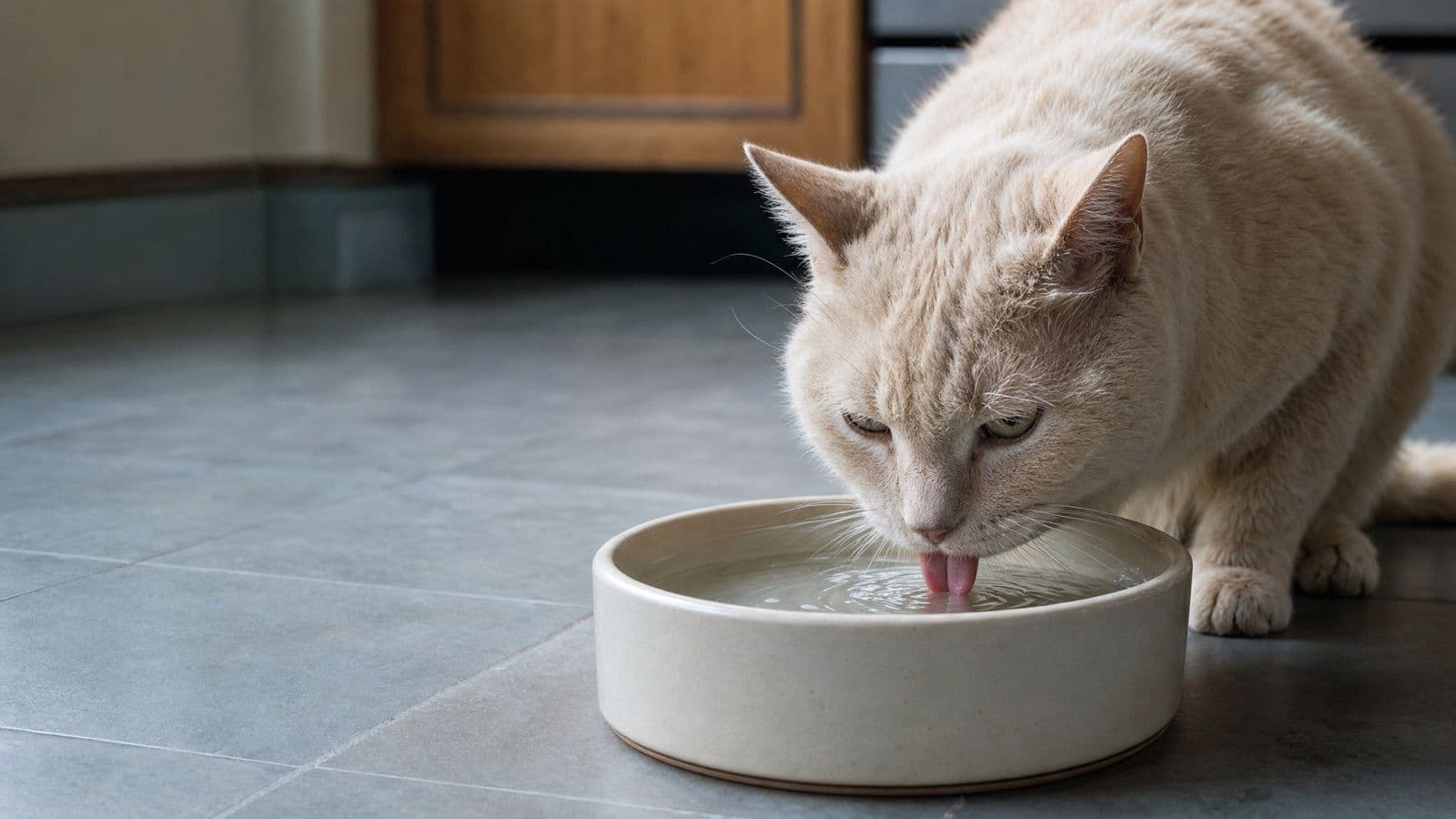
수분. 고양이는 갈증 욕구가 약합니다. 습식 사료는 총 수분 섭취를 의미 있게 늘리고, 분수형 급수기가 도움이 되는 고양이도 있으며, 진행된 질환에서는 피하수액을 사용합니다.
단백뇨 치료. 소변으로 새는 단백질은 더 빠른 악화를 예측하며 특정 약으로 줄일 수 있습니다.
목록이 전혀 화려하지 않다는 점에 주목하십시오. 동시에 진짜로 효과적입니다 — 일찍 진단받고 잘 관리된 고양이는 흔히 여러 해를 삽니다.
연구는 어디로 가고 있나
섬유화를 늦추는 것이 분명한 다음 관문입니다. 기능하는 신장을 반흔투성이로 바꾸는 것이 섬유화이기 때문입니다. mTOR 억제는 연구 중인 기전 가운데 하나이며, 고양이 임상 연구가 수의과대학에서 진행되고 있습니다.
지금으로서 정직한 입장은 이것입니다: 흥미로운 기전, 활발한 연구, 확립된 프로토콜 없음. CKD 고양이를 위한 장수 중심 계획은 위의 기본기 위에 세워지며, 추가 약물을 고려하기 전에 신장 상태를 수의사가 별도로 검토합니다.
정직한 요약
CKD는 완치되지 않지만 속도는 바꿀 수 있습니다. "일찍 진단받고 잘 관리된" 경우와 "위기에 진단받은" 경우의 차이는 좋은 삶의 햇수로 측정됩니다. 가장 중요한 지렛대는 선별검사이며, 고양이가 아직 괜찮아 보일 때만 작동합니다.
자주 묻는 질문
What are the first signs of kidney disease in cats?
Increased drinking and urination usually come first, followed by weight loss, a duller coat, reduced appetite and lethargy. These appear late — often when around two-thirds of kidney function is already lost — which is why bloodwork on a cat that still looks well matters so much.
Can kidney damage in cats be reversed?
No. Nephrons that are lost do not regenerate, so chronic kidney disease is managed rather than cured. The realistic goal is slowing further loss and keeping the cat comfortable, which good management does achieve — many cats live years after diagnosis.
Does rapamycin treat kidney disease in cats?
Not established. mTOR signalling is involved in the fibrosis that drives CKD progression, and studies in cats are underway at veterinary institutions, but no rapamycin protocol has been shown to alter the course of feline CKD. Anyone claiming otherwise is ahead of the evidence.
What is SDMA and why does it matter?
SDMA is a blood marker that rises earlier in kidney disease than creatinine — often when roughly 40% of function is lost rather than 75%. It gives a wider window to intervene with diet and blood pressure control, and it is now routine in senior feline panels.
읽는 것이 첫걸음입니다. 고양이의 현재 상태를 아는 것이 그다음입니다.
프로토콜에 대해 궁금한 점이 있으신가요? 메시지를 보내주세요.
라파마이신은 처방 의약품입니다. 수의사 검토 없이는 조제되지 않습니다.