Longevidad felina: cómo sumar años de vida sana a tu gato
Rapavie Veterinary Team · 9 de agosto de 2026
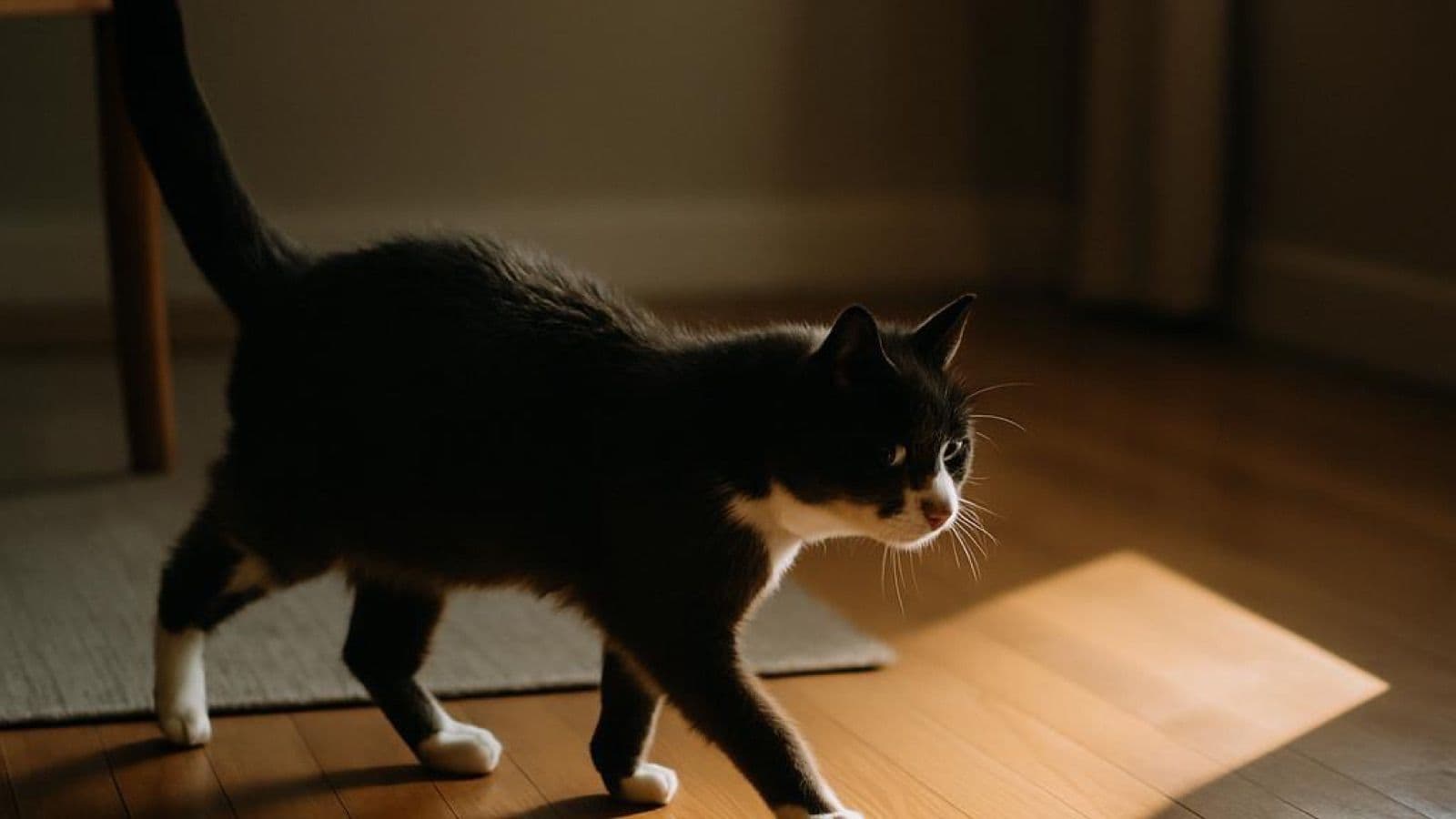
En resumen: la mayoría de los gatos de interior viven entre 13 y 17 años, y ese techo sigue subiendo. Lo que separa a un gato que se deteriora a los 12 de otro que sigue bien a los 18 rara vez es solo suerte: control del peso, salud dental, detección precoz de la enfermedad renal y cardiaca y, cada vez más, intervenciones dirigidas a la biología del envejecimiento.
Cuánto viven realmente los gatos
Un gato de interior bien cuidado alcanza hoy con normalidad entre 13 y 17 años. Llegar a los veinte ya no es excepcional. Es un cambio real: la esperanza de vida felina ha subido de forma notable en las últimas décadas, impulsada por la vacunación, el control de parásitos, mejor alimentación y la vida puertas adentro.
El acceso al exterior sigue siendo el mayor riesgo modificable para la longevidad, no porque esos gatos envejezcan biológicamente más rápido, sino porque mueren por traumatismos, infecciones y depredación antes de que el envejecimiento llegue a ser el problema.
De qué mueren realmente los gatos
Entender la longevidad felina es entender qué la termina. Tres enfermedades dominan a partir de la mediana edad:
Enfermedad renal crónica. La enfermedad grave más frecuente del gato mayor. El tejido renal se pierde de forma progresiva y no se regenera; cuando aparecen los síntomas —beber más, perder peso, pelo apagado— ya se ha perdido gran parte de la función.
Cáncer. Linfoma, carcinoma de células escamosas y tumores mamarios encabezan la lista. El riesgo sube con fuerza con la edad.
Cardiopatía. La miocardiopatía hipertrófica (MCH) es la cardiopatía más frecuente del gato: el músculo cardiaco se engrosa y se llena peor. Es célebre por ser silenciosa: muchos gatos no muestran ningún signo hasta una crisis, ya sea una insuficiencia cardiaca repentina o un coágulo doloroso en las extremidades posteriores.
Fíjate en lo que comparten. Las tres se asocian a la edad. Las tres se detectan tarde. Ambos hechos señalan dónde está la palanca.
Qué marca la diferencia de verdad
Mantén al gato delgado
La obesidad es el problema de salud más trascendente y menos tratado del gato doméstico. La grasa sobrante no es inerte: es tejido metabólicamente activo que favorece la inflamación crónica y la resistencia a la insulina, y aumenta el riesgo de diabetes, artrosis y pérdida de movilidad. La condición corporal es una de las pocas palancas de longevidad que están del todo en manos del dueño, y se acumula a lo largo de los años.
Toma en serio la enfermedad dental
Los dientes doloridos son extraordinariamente frecuentes en gatos y fáciles de pasar por alto, porque siguen comiendo pese a molestias importantes. Más allá del dolor, la inflamación oral crónica es una carga inflamatoria permanente para un organismo que envejece.
Haz analíticas pronto, no tarde
Los gatos evolucionaron para ocultar la enfermedad. Cuando un gato parece enfermo, la enfermedad suele estar avanzada. Revisiones semestrales a partir de los once años —con analítica, densidad urinaria y tensión arterial— detectan enfermedad renal e hipertensión años antes de los síntomas. Los marcadores renales más recientes detectan la pérdida de función bastante antes que la creatinina sola. Para el corazón, la ecocardiografía es la prueba definitiva, y merece la pena en gatos con soplo, con predisposición racial o con cambios inexplicados.
Alimenta según la especie
Los gatos son carnívoros estrictos con una necesidad alta de proteína que no disminuye con la edad; los gatos mayores suelen necesitar más proteína para conservar músculo, no menos. La ingesta de agua también cuenta: el gato tiene poca sed, herencia de sus antepasados desérticos, y la comida húmeda aumenta de forma apreciable el consumo total de agua.
Protege la mente
El enriquecimiento ambiental —espacio vertical, alimentación tipo caza, rutina previsible— no es un lujo. El deterioro cognitivo del gato mayor es real, y la estimulación mental es una de las pocas cosas que ha demostrado ayudar.
La frontera: actuar sobre el envejecimiento
Todo lo anterior gestiona las consecuencias del envejecimiento. La pregunta más reciente es si el proceso en sí puede ralentizarse.
El candidato más estudiado es la rapamicina, una molécula que inhibe parcialmente mTOR, la vía sensible a nutrientes que decide si las células crecen o se reparan. Atenuar mTOR de forma intermitente activa la autofagia, el proceso de limpieza celular reconocido con el Nobel de 2016.
En ratones, la rapamicina alarga la vida de forma fiable, incluso empezando tarde. En perros, un gran ensayo financiado por los NIH está probando ahora la misma pregunta.
En gatos, el trabajo clínico más avanzado no se centra en la longevidad sino en la miocardiopatía hipertrófica. Una formulación de liberación retardada diseñada para gatos se estudió por su efecto sobre la progresión del engrosamiento del músculo cardiaco, una línea importante porque hasta hace poco ningún medicamento había demostrado alterar el curso de la MCH.
Conviene ser preciso. No se ha demostrado que la rapamicina alargue la vida global del gato; ese estudio no se ha hecho. Lo que existe es un mecanismo bien entendido, evidencia sólida en ratones y una investigación cardiaca felina específica. Es un medicamento con receta con contraindicaciones reales, y su sitio está en un protocolo dirigido por un veterinario y con seguimiento, no en el armario de los suplementos.
Un calendario práctico
Años 1 a 6. Establece pronto la disciplina del peso; es mucho más fácil que revertir la obesidad después. Revisión anual, referencia dental, enriquecimiento seguro en casa.
Años 7 a 10 (adulto). La analítica anual pasa a ser innegociable. Vigila la báscula en ambos sentidos: una pérdida de peso inexplicada en un gato de mediana edad es una señal de alarma, no un éxito. Plantea el cribado cardiaco si hay soplo o predisposición racial.
A partir de los 11 (sénior). Revisiones semestrales con analítica, análisis de orina y tensión. Revisa el aporte de proteína para conservar músculo. Adapta la casa: areneros de bordes bajos, escalones a los sitios favoritos, calor para las articulaciones artrósicas. Es también la etapa en la que más se plantean las intervenciones de longevidad.
El resumen honesto
No hay una sola intervención que añada años a la vida de un gato. Lo que funciona es poco vistoso y acumulativo: un cuerpo delgado, una boca sana, un cribado que se adelanta a los síntomas, una alimentación adecuada a la especie y un entorno que mantenga al animal activo.
Sobre esos cimientos, la biología del envejecimiento se está convirtiendo en una diana clínica legítima y no en una metáfora. La dirección de la investigación es realmente prometedora, pero los fundamentos siguen haciendo casi todo el trabajo.
Preguntas frecuentes
How long do cats live?
Indoor cats commonly live 13 to 17 years, and reaching the early twenties is no longer unusual. Outdoor access shortens life expectancy substantially, largely through trauma, infectious disease and predation rather than accelerated biological aging.
What do most cats die of?
The three conditions that dominate feline mortality after middle age are chronic kidney disease, cancer, and heart disease — most commonly hypertrophic cardiomyopathy (HCM). Each is strongly age-associated, which is why interventions that target aging biology itself are of growing interest.
When is a cat considered senior?
Most veterinary guidelines classify cats as mature from around 7 years and senior from around 11. Twice-yearly examinations with bloodwork and blood pressure are typically recommended from the senior stage, because cats conceal illness until it is advanced.
Can rapamycin help cats live longer?
Rapamycin targets mTOR, the same aging pathway studied in mice and dogs. In cats, the most advanced clinical work concerns hypertrophic cardiomyopathy, where a delayed-release formulation has been studied for its effect on disease progression. Whether it extends overall feline lifespan has not been established. It is a prescription medicine used under veterinary direction.
Leer sobre ello es el primer paso. Saber cómo está tu gato es el segundo.
Todo programa de Rapavie empieza con un veterinario colegiado revisando el historial de tu animal, no con un producto.
La rapamicina es un medicamento con receta. No se dispensa nada sin revisión veterinaria.